Cat and Coffee Crafts: Designing with Digital Cutting Files
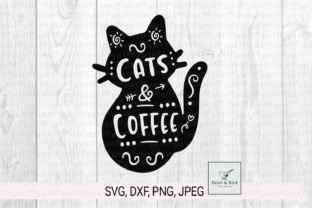
There is a quiet, comforting rhythm to a morning routine: the hiss of an espresso machine, the soft padding of feline paws across a hardwood floor, the gentle clink of a ceramic mug being set down on a coaster. For countless creatives, this pairing—Cats and Coffee—is not merely a lifestyle hashtag; it is a wellspring of design inspiration. Whether one is a professional crafter running a small business or a hobbyist looking to personalize a planner, the ability to transform this aesthetic into tangible projects has been revolutionized by digital cutting technology. Specifically, the availability of high-quality digital files, such as those described in the download pack containing SVG, DXF, PNG transparent, and JPEG formats, has opened a world of possibility for users of machines like Silhouette and Cricut.
This article explores the practical applications, inherent advantages, and creative workflows associated with using these versatile design assets. We will move beyond the simple notion of a decorative image and examine how such files function as foundational tools for a wide range of projects, from vinyl decals for a local café to mixed-media art for a cozy home studio.
Understanding the File Format Ecosystem
Before diving into specific use cases, it is essential to understand what the provided file types actually do. The bundle mentioned typically includes four distinct formats, each serving a specific purpose in the crafting pipeline. The SVG (Scalable Vector Graphic) file is the backbone of most cutting projects. It contains mathematical paths rather than pixels, allowing it to be resized infinitely without losing quality. This is the file one would import directly into Silhouette Studio or Cricut Design Space to begin the cutting process.
The DXF (Drawing Exchange Format) file is a more robust vector alternative, originally developed for CAD software but widely used in the crafting community for its compatibility with older or more specialized cutting programs. The PNG transparent file is a raster image with a transparent background. While it cannot be scaled up as cleanly as a vector, it is invaluable for digital mockups, print-and-cut projects, and graphic design work in software like Procreate or Photoshop. Finally, the JPEG file provides a standard flattened image, useful for previews, reference, or projects where a background is acceptable. The inclusion of all four in a single download ensures that a creator is never stranded by software or machine limitations. It is worth noting that display files—the high-resolution, layered preview images often used for online listings—are intentionally excluded to provide only the raw material for making, not for marketing.
Real-World Workflows for Creators and Small Business Owners
For a small business owner who runs a booth at a weekend artisan market, efficiency is paramount. Consider a crafter who wants to produce a line of insulated coffee cup sleeves featuring playful cat silhouettes. Using the SVG file, they can load the design into their cutting software, resize it to match the dimensions of a standard 12-ounce cup, and set their machine to cut adhesive-backed vinyl. The precision of the vector file ensures that every whisker and ear curve is rendered cleanly. After weeding out the excess vinyl, the design is transferred to the cup sleeve using transfer tape.
This specific project illustrates two key advantages: scalability and repeatability. The clean vector paths mean the same design can be used for a small mug or a large travel tumbler without any degradation. Furthermore, because the files are provided without watermarks or logos, the finished product looks professional and market-ready. The creator is not paying for a single-use license; they are acquiring a design asset that can be used across dozens of products, from T-shirts and tote bags to custom notebooks and wall decals.
Practical Applications Across Different User Profiles
The beauty of a well-made digital cutting file is its neutrality. It does not prescribe a single use; instead, it invites adaptation. The following list outlines how different users might leverage a file pack centered on a feline and coffee theme.
- The Home Decor Enthusiast: A person decorating a breakfast nook can use the JPEG or PNG transparent file to create a gallery wall print. By printing the image on matte photo paper and placing it in a simple frame, they achieve a custom piece of art that captures their love for both topics without needing a cutting machine at all. Alternatively, the SVG can be used to cut adhesive vinyl for a large-scale wall decal above a coffee station.
- The Scrapbooker and Card Maker: For those who work with paper, the DXF file is particularly useful. It can be imported into software that controls a Cricut Maker or Silhouette Cameo to cut intricate shapes from cardstock. A card featuring a dancing cat holding a steaming latte can be layered with foam dots for a three-dimensional effect, making it a memorable birthday or thank-you card for a fellow coffee lover.
- The Digital Planner and Content Creator: In the digital space, the PNG transparent file is the star. A content creator using an iPad and GoodNotes can import the file as a sticker element for a digital planner. They might use it to mark a favorite coffee shop in their weekly spread or to decorate a journal page dedicated to their pet. The transparent background allows for seamless integration with other digital elements.
Technical Considerations for Silhouette and Cricut Users
While the creative potential is vast, achieving professional results requires attention to a few technical details. For users of Silhouette and Cricut machines, the way a file is imported and prepared can make the difference between a perfect cut and a failed project. The SVG file, being vector-based, will typically import with the design intact. However, users should check for overlapping paths or stray nodes. Some complex designs may require welding or uniting in the software to ensure that all parts of the cut are connected properly. For example, the thin handle of a coffee cup or the delicate tail of a cat might be too narrow for a thick vinyl or cardstock, so the user may need to simplify the design or adjust the cut settings.
Another crucial point involves the use of the DXF file. While it is perfectly viable, some older versions of Silhouette Studio handle DXF imports differently than newer ones. It is often recommended to start with the SVG for the smoothest experience in modern cutting software. The JPEG is rarely used for direct cutting but serves as a valuable guide. One can place the JPEG on a lower layer and trace it manually in the software if the vector files present any compatibility issues, effectively creating a custom cut file from the original design.
Advantages Beyond the Cut: The Role of Inspiration
It is important to address a common point of confusion for new crafters. The note regarding "Display files are not included - used for design inspiration" is critical. Many sellers include a beautiful, stylized mockup of the design on a coffee mug or a T-shirt. These display files are typically large, layered images with watermarks. They are for showing what the end product could look like, not for making it. The actual product is the stripped-down, clean vector file. Understanding this distinction prevents frustration. One is purchasing the raw material, not the finished advertisement.
This arrangement actually places more creative control in the hands of the user. Because the watermarks and logos are absent, the designer does not have to work around a branding element that does not belong to them. They are free to resize, recolor, and combine the design with other elements. A file featuring a cat lounging in a coffee cup can be rotated, mirrored, layered over a background pattern, or separated into individual components (using software capable of ungrouping) to create entirely new compositions. This modularity is one of the greatest strengths of vector-based crafting files.
Exploring the Broader Creative Ecosystem
The trend of combining everyday lifestyle subjects like Cats and Coffee into cohesive design themes speaks to a larger movement in the crafting community: the desire for personalization and meaning. People are no longer satisfied with mass-produced decor. They want items that reflect their specific joys and habits. A file pack that captures this specific intersection allows a consumer to create a "signature" style. For instance, a teacher might use the file to make a custom pencil pouch or a set of labels for a classroom coffee station. A veterinarian's office might use the design for a small welcome sign in their lobby.
From an SEO and content strategy perspective, targeting this specific niche captures a highly engaged audience. Search queries like "coffee cat cutting file," "Cricut cat coffee SVG," or "free cat latte JPEG" demonstrate clear intent. The user is not just browsing; they are actively looking for actionable assets that will lead to a physical creation. By providing comprehensive information about how to use the files, the article serves as both a buying guide and a tutorial, which aligns perfectly with the Helpful Content philosophy.
Future Trends and Evolving Use Cases
As cutting machines become more affordable and integrated with home technology, the demand for diverse, high-quality design files will only increase. One emerging trend is "hybrid crafting," where digital and physical elements are combined. A creator might use the PNG transparent file to design a digital mockup of a tote bag, share it on social media for feedback, and then cut the actual vinyl using the SVG after confirming the design is liked. Another trend is the use of print-then-cut technology. Instead of cutting a design from solid vinyl, one could print the full-color cat and coffee illustration onto printable sticker paper using a home printer, and then the machine would precisely cut around the complex outline. The PNG transparent file is ideal for this workflow, as it can be placed into a design layout with other elements without a white box around it.
For educators, these files can be used in workshop settings. A teacher leading a beginner Cricut class can use a simple single-layer SVG of a cat and a coffee pot as the first project. Students learn to load the file, resize it, cut it, and weed it. The low complexity ensures success, which builds confidence for tackling more intricate multi-layer designs later.
In conclusion, the humble digital cutting file, provided in a robust bundle of SVG, DXF, PNG transparent, and JPEG formats, is far more than a simple picture. It is a tool for manufacturing, a medium for artistic expression, and a bridge between a digital concept and a physical reality. The theme of Cats and Coffee provides a universally appealing and highly marketable subject that resonates with a broad demographic. Whether one is a seasoned small business owner, a weekend hobbyist, or an educator, these files offer a reliable and flexible foundation. The key lies in understanding the strengths of each format, respecting the difference between a source file and a display mockup, and allowing the creative process to take the lead. With a quality design in hand and a well-calibrated machine, the only question that remains is what to create first.